The production process of PCB is more complicated, and it involves a wide range of processes, from simple mechanical processing to complex mechanical processing, common chemical reactions, photochemical, electrochemical, thermochemical and other processes, computer-aided design CAM, and many other aspects of knowledge . Moreover, there are many process problems in the production process and new problems will be encountered from time to time. Some of the problems disappear without finding out the cause. Because the production process is a non-continuous assembly line form, any problem in any link will cause the entire line to stop production. Or the consequence of a large number of scraps. If the printed circuit boards are scrapped, they cannot be recycled and reused. The work pressure of process engineers is relatively high. Therefore, many engineers have left the industry and turned to printed circuit board equipment or material vendors to do sales and technical services.
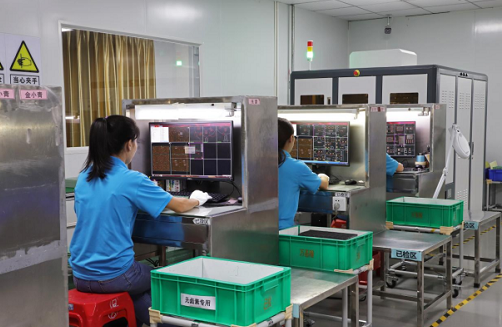
The primary purpose of every manufacturing process is to meet the clients’ needs, which is the case with PCB manufacturing. The first step in the communication between the client and manufacturer is providing a Gerber file that defines the PCB design requirements and specifications. Once a manufacturer completes the Design for manufacture check, the PCB manufacturing process is ready to begin. The manufacturing process consists of numerous steps executed in sequence in order to build the PCB structure ready for SMD assembly.
The manufactured PCB consists of four main parts. Firstly, substrate material that is most often fiber epoxy resin which acts as an insulator. Secondly, the copper lines that present electric circuits. Thirdly, a solder mask that is made of silver or gold. It protects the board from chemically induced corrosion and moisture. Lastly, the photo resist layer acts as a selective protector of parts that should remain within the PCB structure. Once all layers are interconnected, the board is pierced with a drill to make space for electrical components and connect the surface layer with inner layers. Then, the electroplating of holes is a necessary step to coat the walls with the conductive material. Finally, at the end of the PCB manufacturing process, quality assurance takes place. The Semecs team ensures that PCB can operate undisturbedly and that it is ready for PCB assembly.
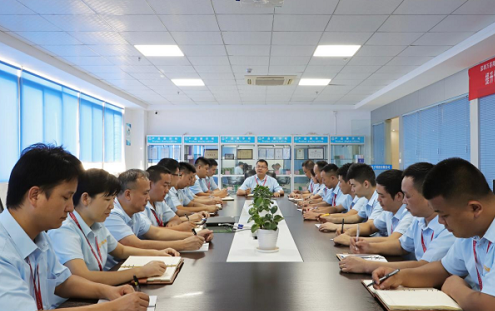
Victory PCB has a modern industrial park and industry-leading PCB production and testing equipment. With a complete quality management system, it monitors the production process in an all-round way to ensure the quality of production and the orderly production process.
If you want to produce PCB, please contact us directly and send the gerber information and the required quantity to the email: [email protected], no matter what the requirements are, you can tell us clearly, and we will do it for you as soon as we receive the email Service, try our best to meet your requirements.