PCB file formats are essential in the design and manufacturing of printed circuit boards, as they convey critical information about the PCB layout, components, and requirements. Effective communication between designers and manufacturers relies on these file formats, ensuring the correct production of PCBs. In this guide, we will explore the different PCB file formats, their differences, and how to choose the right one for your project.
PCB file formats are digital files used to convey design and manufacturing data for printed circuit boards. They include essential information such as copper layer details, drill data, component placements, and more. These files are crucial for ensuring that manufacturers correctly interpret and produce the PCB as intended by the designer.
Different file formats exist because PCB manufacturing involves a variety of processes and equipment, each of which may require specific types of data. Additionally, advancements in PCB technology and manufacturing capabilities have led to the creation of newer file formats that offer better data integration and precision.
Below are some of the most commonly used PCB file formats in the industry:
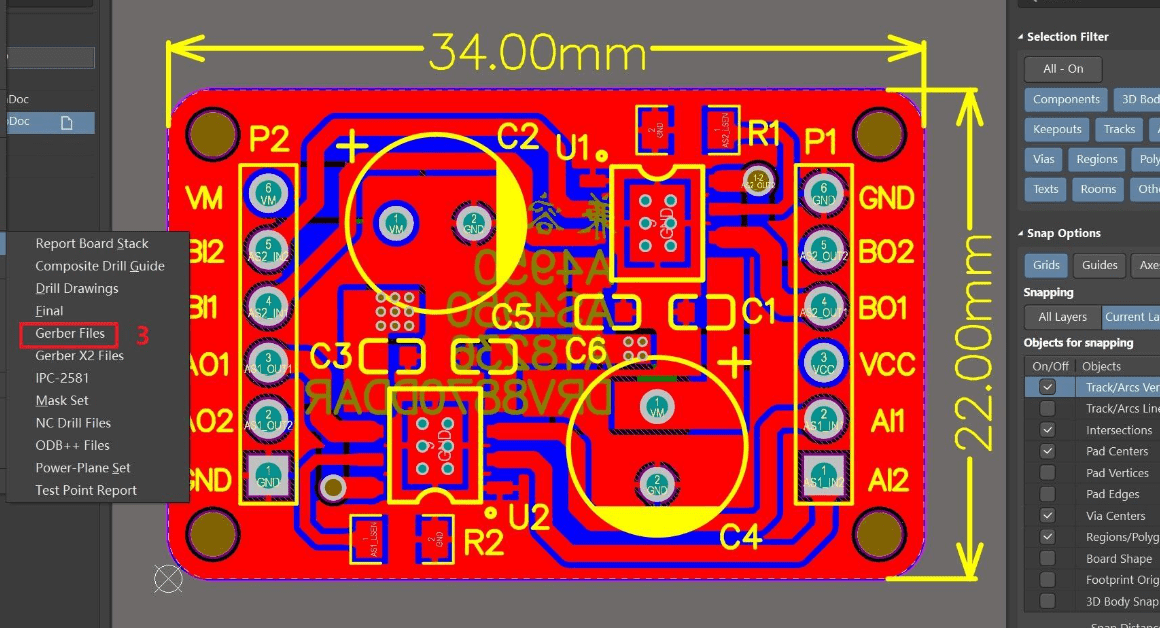
Gerber files are the most widely used format in PCB manufacturing. They contain information about each individual layer of the PCB, such as copper layers, solder mask, and silkscreen. Gerber files are used to provide the graphical representation of each layer, which is then used to create the physical board.
RS-274X: This is the extended version of the original Gerber format, allowing for embedded aperture definitions, making it more versatile and efficient.
X2: An enhancement of RS-274X, Gerber X2 provides additional metadata, such as layer functions and part attributes, making it easier for manufacturers to interpret the design correctly.
Gerber files are the industry standard for communicating PCB layer information to manufacturers. They are compatible with almost all fabrication facilities. Learn more about gerber files.
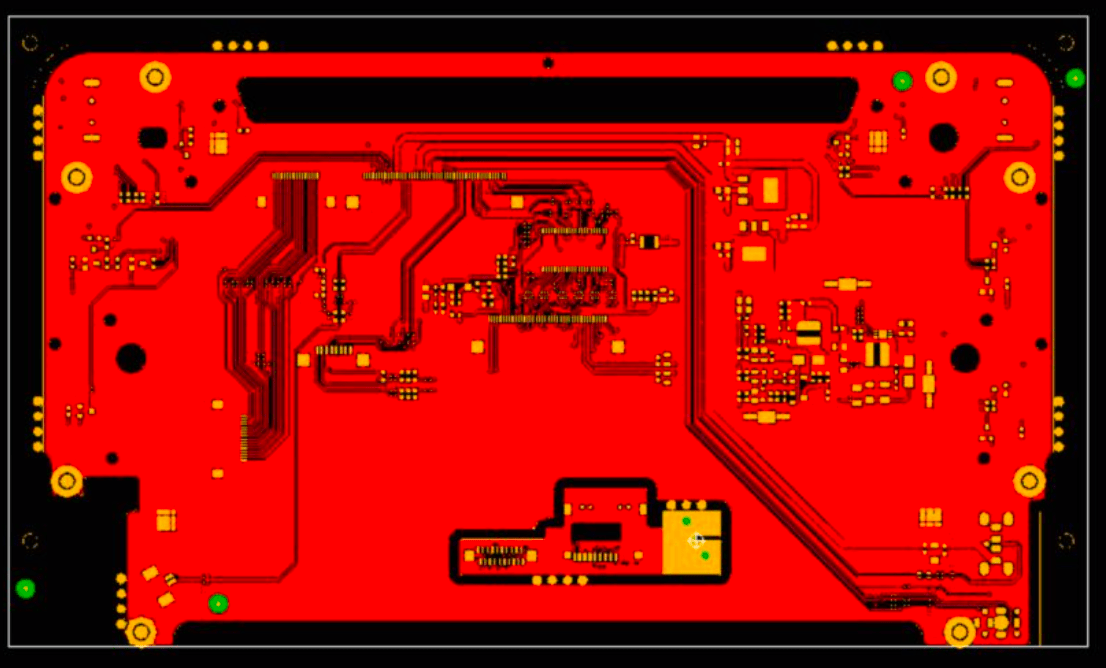
ODB++ is an advanced format that aims to provide all the necessary data for PCB fabrication and assembly in a single package. Unlike Gerber files, which require multiple separate files for each layer and process, ODB++ includes information on layers, drill data, component placements, and more in one comprehensive file.
Advantages:
Data Integration: ODB++ integrates data from various sources, reducing the risk of misinterpretation and simplifying the manufacturing process.
Error Reduction: By providing a single, consistent dataset, ODB++ minimizes the likelihood of errors during manufacturing.
ODB++ is favored in complex PCB designs that require tight integration between fabrication and assembly, as it reduces the risk of errors and speeds up the manufacturing process.
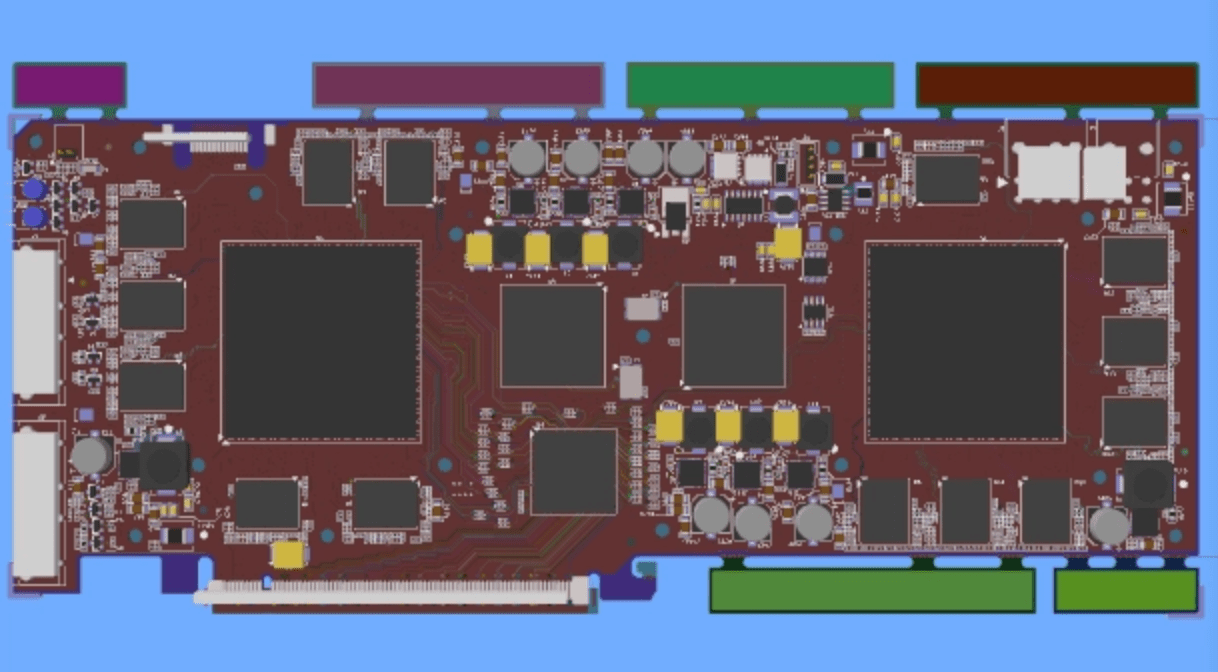
IPC-2581 is an open, neutral standard for PCB data exchange. It was developed to address the limitations of proprietary formats and to promote greater consistency in PCB design data transfer. IPC-2581 contains comprehensive information about PCB layers, components, netlists, and manufacturing details, similar to ODB++.
Advantages:
Open Standard: Unlike ODB++, which is proprietary, IPC-2581 is an open standard, meaning it is not controlled by any single entity. This makes it a popular choice for those seeking more transparency and flexibility.
Data Richness: IPC-2581 includes detailed information for both fabrication and assembly, ensuring that manufacturers have everything they need in one file.
IPC-2581 is suitable for manufacturers and designers who prefer an open standard that provides comprehensive design and manufacturing data.
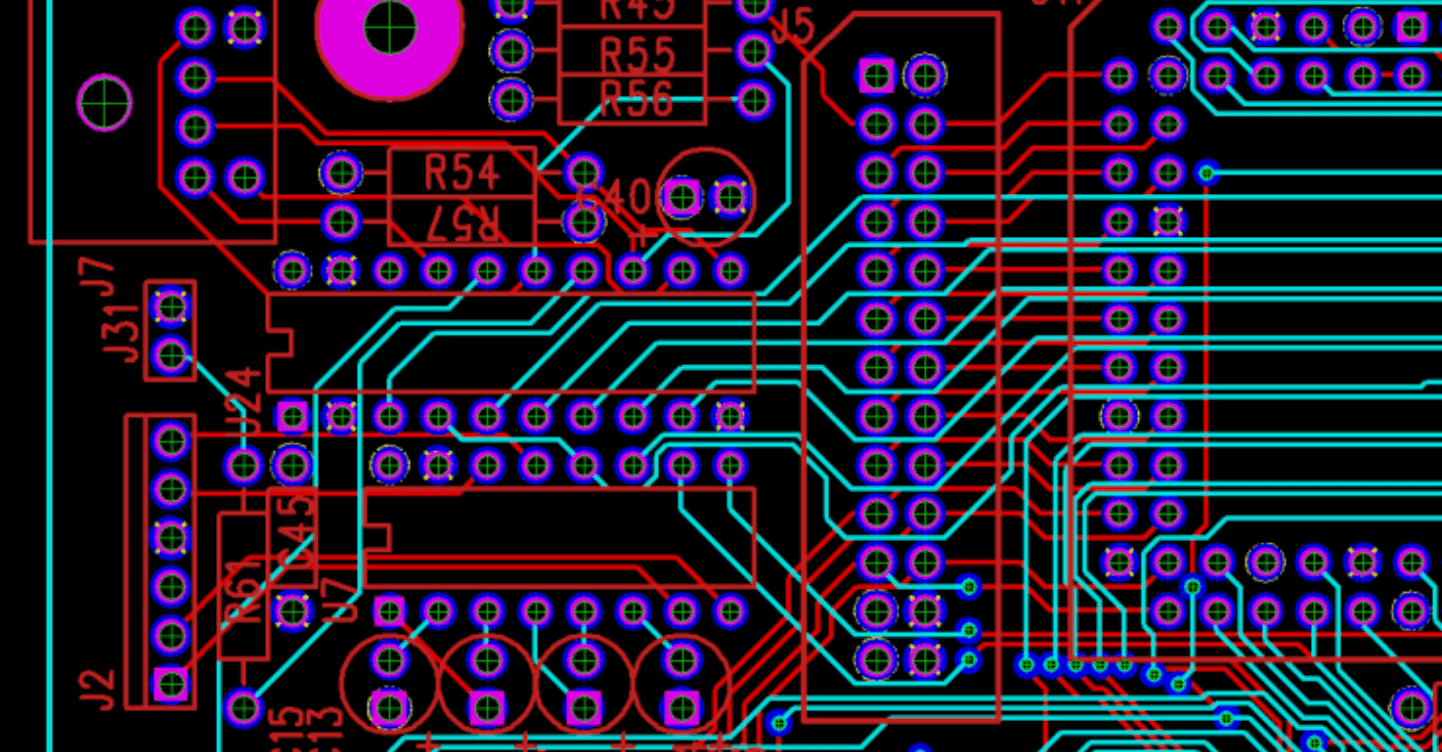
Excellon is the standard format for drill files used in PCB manufacturing. It provides information about the locations, sizes, and types of holes required for the board, which is critical for through-hole components and vias.
Excellon files are typically used in combination with Gerber files to provide drilling instructions to the manufacturer.
Each PCB file format has its own strengths and limitations, and understanding these differences can help you choose the right one for your project:
| File Format | Description | Advantages | Limitations |
|---|---|---|---|
| Gerber | Widely used format for PCB layers | Compatibility with all manufacturers | Requires multiple files for different layers |
| ODB++ | Comprehensive format for fabrication and assembly | Integrated data, reduces errors | Proprietary, not universally supported |
| IPC-2581 | Open standard for data exchange | Open, detailed data for fabrication and assembly | Adoption still growing |
| Excellon | Drill file format | Essential for drilling information | Needs to be used alongside other formats |
| Criteria | Gerber | ODB++ | IPC-2581 |
| Complexity of Design | Suitable for simple designs | Ideal for complex, multilayer designs | Suitable for both simple and complex designs |
| Manufacturer Compatibility | Universally supported | Supported by many but not all manufacturers | Growing support, but not yet universal |
| Data Requirements | Layer-specific data | Comprehensive, all-in-one data | Comprehensive, open format |
To help ensure your PCB files are prepared correctly, here are some practical checklists and tips for each format:
| Task | Description |
| Layer Separation | Ensure each layer (e.g., copper, solder mask, silkscreen) has its own Gerber file |
| Aperture Definitions | Use embedded aperture definitions for RS-274X to avoid issues |
| Drill File Compatibility | Include Excellon drill files alongside your Gerber files |
| File Naming | Use clear, descriptive file names to help manufacturers identify each layer |
| Task | Description |
| Complete Data Set | Ensure the ODB++ file includes all required information, such as layer stackup, component placements, and netlists |
| Verify Integrity | Run a design rule check (DRC) to verify that the file is error-free before submission |
| Single Package | Confirm that all necessary data is included in the single ODB++ package to streamline manufacturing |
| Task | Description |
| Choose the Right Version | Use the latest version of IPC-2581 to ensure compatibility with most manufacturers |
| Include Detailed Information | Ensure that all fabrication, assembly, and netlist data is included |
| Collaboration | Work closely with your manufacturer to ensure that they are familiar with IPC-2581 and can handle the format effectively |
As PCB manufacturing continues to evolve, there is a push toward more standardized, data-rich formats that improve communication between designers and manufacturers:
Standardization: Formats like IPC-2581 are gaining traction because of their open standard nature, promoting consistency and transparency across the industry.
Automation and Integration: The integration of AI and automation in PCB manufacturing requires formats that can provide comprehensive and machine-readable data, which is where ODB++ and IPC-2581 excel.
Data Richness: Future file formats are likely to include even more detailed information to further reduce errors, improve efficiency, and facilitate the transition to fully automated manufacturing.
Understanding PCB file formats is crucial for ensuring successful communication between PCB designers and manufacturers. Each format—whether it is Gerber, ODB++, IPC-2581, or Excellon—serves a specific purpose and has its own strengths and limitations. Selecting the right format depends on the complexity of your design, the capabilities of your manufacturer, and the specific requirements of your project.
At VictoryPCB, a reliable PCB manufacturer, we support a wide range of PCB file formats, including Gerber, ODB++, and IPC-2581, to help bring your designs to life with precision and efficiency. Contact us today by [email protected] to learn more about how we can help with your next PCB project.