Selecting the appropriate copper weight is a crucial decision in PCB design. The copper weight, typically measured in ounces per square foot, directly impacts the performance, current-carrying capacity, and thermal characteristics of the PCB. In this article, we delve into the comparison between 1 oz and 2 oz copper PCBs, shedding light on the implications and considerations associated with each.
1 OZ PCB is basic thickness for Printed Circuit boards featuring 1 ounce copper. The copper weight of 1 oz PCB is about 1.37 mils or 34.79 microns. This PCB is widely used in the PCB industry special for Rigid pcb.
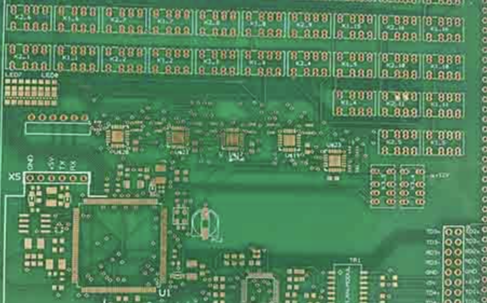
The purpose of using 1 oz copper in PCBs is to ensure efficient electrical conduction while maintaining a specific temperature range. This type of PCB offers various advantages, including a high decomposition temperature and controlled resistance. To maintain the desired copper thickness, 1 oz copper PCBs often utilize materials such as tin alloys. Additionally, these PCBs are constructed with flame retardant materials for safety and reliability.
The basic materials employed in the fabrication of 1 oz copper PCBs typically include epoxy resins and polytetrafluoroethylene (PTFE). The copper layer with 1 oz weight is commonly present on each thin layer of the PCB. If a fabrication print does not specify otherwise, most manufacturers will default to using a finished copper weight of 1 oz on the copper layers. The value of 1 Oz copper thickness in mm is 0.089mm.
A 2 oz copper PCB is a commonly used circuit board that features a copper weight of two ounces per square foot. With a thickness of 2.8 mils or 70 microns, it serves as the standard copper weight for both external and internal layers in PCBs with a finished copper weight of 3 oz. The adoption of 2 oz copper enables improved layer arrangement, particularly for the outer layers of the PCB.
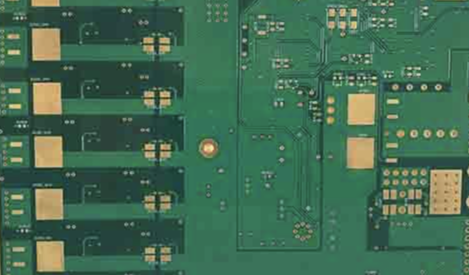
In the PCB industry, 2 oz copper PCBs are highly prevalent and valued for their numerous benefits. The reliability and stability provided by the 2 oz copper thickness make it a preferred choice for a wide range of applications. Compared to 1 oz copper PCBs, the 2 oz variant offers enhanced compatibility with etched PCBs, making it more desirable in various manufacturing scenarios.
For standard internal layer copper thickness, 2 oz copper PCBs adhere to 70µm (2.8 mils). This thickness is commonly employed as the starting point for the external layers of PCBs with a finished copper weight of 3 oz.
Additionally, the use of 2 oz copper is not limited to rigid PCBs alone. It is increasingly gaining traction in the flexible PCB market. While lighter copper weights like 0.5 oz and 1 oz are prevalent for flexible PCBs, heavier copper weights, including 2 oz, are available. However, when selecting heavier copper weights for flexible PCBs, it is essential to consider the specific flexibility requirements of the intended application.
Here’s a detailed comparison between 1 oz and 2 oz copper PCBs, highlighting various aspects:
| Aspect | 1 oz Copper PCB | 2 oz Copper PCB |
|---|---|---|
| Copper Weight | 1 oz (1.4 mil or 35 µm) | 2 oz (2.8 mil or 70 µm) |
| Thickness Range | Standard: 0.062″ (1.57 mm) or custom options | Standard: 0.062″ (1.57 mm) or custom options |
| Current Carrying Capacity | Lower current handling capacity | Higher current handling capacity |
| Heat Dissipation | Moderate heat dissipation | Improved heat dissipation capabilities |
| Voltage Drop | Higher voltage drop due to increased resistance | Lower voltage drop due to reduced resistance |
| Thermal Conductivity | Lower thermal conductivity | Higher thermal conductivity |
| Cost | Relatively lower cost compared to higher copper weights | Higher cost compared to 1 oz copper PCBs |
| Suitable Applications | Low-power devices | High-power devices |
| Consumer electronics | Automotive electronics | |
| IoT devices | Industrial equipment | |
| General-purpose PCBs | High-current applications | |
| Communication systems | High-power amplifiers | |
| Board Space | Thinner copper layer allows for more compact designs | Requires slightly more board space |
| Manufacturing Considerations | Easier to fabricate and etch | Requires specialized manufacturing capabilities |
| Signal Integrity | Suitable for most standard applications | Ideal for high-power and high-current designs |
| Impedance Control | Sufficient for most applications | Important for impedance-controlled designs |
| Flexibility in Design | Provides flexibility for trace routing and design changes | May limit flexibility due to increased copper thickness |
There are two key elements to consider when determining optimal PCB copper thickness. The first is the current capacity of the barrel for acceptable heat rise. The second is the mechanical strength determined by the copper thickness, hole-size and whether or not there are any support vias. Here are some key points to help you make an informed decision:
Current Carrying Capacity: Evaluate the current requirements of your circuit. If you anticipate higher current levels or the need for improved heat dissipation, 2 oz copper PCB might be more suitable. It offers higher current carrying capacity compared to 1 oz copper PCB.
Thermal Management: Consider the heat dissipation requirements of your design. If your circuit generates significant heat or operates in high-temperature environments, 2 oz copper PCB’s enhanced thermal conductivity can help effectively manage and dissipate heat.
Voltage Drop: Assess the voltage drop tolerance for your application. Thicker copper layers, such as 2 oz copper, have lower resistance, resulting in reduced voltage drop across traces and better power distribution.
Space Constraints: Evaluate the available board space. Thicker copper layers require more space on the PCB. If your design has strict space limitations, 1 oz copper PCB might be a more practical choice.
Manufacturing Considerations: Consult with your PCB manufacturer to understand their capabilities and any cost implications associated with different copper weights. Some manufacturers may have limitations or additional costs for working with thicker copper layers, so it’s essential to align your choice with their capabilities.
Cost: Consider the budgetary constraints of your project. Generally, 1 oz copper PCBs tend to be more cost-effective compared to 2 oz copper PCBs. However, it’s important to weigh the cost against the specific requirements and benefits of using a thicker copper layer.
Application Requirements: Assess the specific demands of your application. Certain high-power or high-current applications, such as automotive electronics or industrial equipment, may necessitate the use of 2 oz copper PCB for robust power delivery and durability.
At VictoryPCB, we specialize in delivering high-quality PCBs tailored to meet the unique requirements of our clients. With our extensive experience and advanced manufacturing capabilities, we can guide you in making the best choice between 1 oz and 2 oz copper PCBs. Contact us now at [email protected] to partner with a professional PCB manufacturer who understands the intricacies of copper weights and can provide you with high-quality PCBs tailored to your specific needs. Let us be your trusted partner in bringing your PCB designs to life.