Choosing the right PCB surface finish affects solderability, contact reliability, and assembly performance.
ENIG and ENEPIG are two widely used options for advanced PCB designs, but their different plating structures make them suitable for different component and interconnection requirements.
ENIG consists of an electroless nickel layer deposited over exposed copper, followed by a thin immersion gold layer. Its flat surface supports fine pitch components such as BGAs and QFNs, making it suitable for multilayer PCBs and conventional SMT assembly.
However, poor plating control may cause excessive nickel corrosion, potentially leading to black pad defects and unreliable solder joints. Proper chemical management is essential to maintain surface quality.
ENEPIG adds an electroless palladium layer between nickel and gold. This additional barrier helps protect the nickel surface and provides broader compatibility with soldering and wire bonding processes.
The extra plating stage increases manufacturing complexity and cost. ENEPIG is therefore more suitable for applications requiring specialized interconnection capabilities.
| Comparison Factor | ENIG | ENEPIG |
| Layer structure | Nickel and gold | Nickel, palladium, and gold |
| Surface flatness | Suitable for fine pitch assembly | Suitable for fine pitch assembly |
| Solderability | Good | Good |
| Wire bonding | Process dependent | Broader compatibility |
| Nickel protection | Requires corrosion control | Additional palladium barrier |
| Process complexity | Lower | Higher |
| Manufacturing cost | Generally lower | Generally higher |
Actual performance depends on plating thickness, bath chemistry, process control, component materials, and assembly conditions.
ENIG is a practical choice for multilayer PCBs and fine pitch SMT assemblies that require a flat, solderable surface without specialized wire bonding requirements.
For example, VictoryPCB’s six layer ENIG aircraft PCB uses an FR4 TG180 substrate with an ENIG finish, demonstrating its application in multilayer PCB manufacturing.
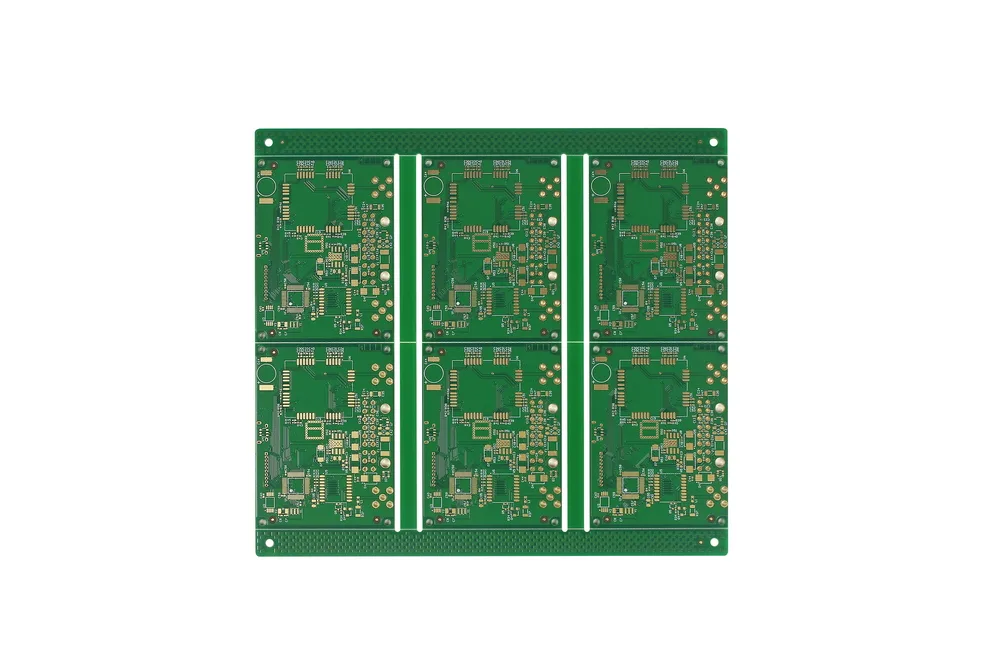
ENEPIG is suitable for assemblies involving both soldering and wire bonding. Its palladium layer provides a compatible intermediate surface for different bonding methods and helps protect the underlying nickel.
It is commonly considered for advanced packaging and high reliability electronics. Engineers should confirm wire materials, bonding methods, and plating specifications before selecting this finish.
The selection should begin with the board’s assembly and operating requirements. Choosing a more complex finish without a corresponding technical need may increase cost without improving the finished product.
Fine pitch BGAs, QFNs, and other surface mount packages require consistent pad geometry and solderable surfaces. If the assembly includes wire bonding, the required bonding method and wire material should be confirmed before selecting the finish.
Engineers should also consider pad dimensions, component pitch, and the assembly partner’s process capabilities. These factors help establish whether conventional ENIG is sufficient or whether ENEPIG is more appropriate.
The nickel, palladium where applicable, and gold layers must be deposited within the specified process windows. Uneven plating, excessive corrosion, or contamination can affect soldering and electrical connections.
Rather than relying on the finish name alone, buyers should define the required layer structure, thickness, and inspection criteria with the manufacturer. Process control is essential for achieving consistent results across production batches.
ENEPIG generally involves more processing steps than ENIG. For designs that only require conventional SMT assembly, ENIG may be more economical. ENEPIG becomes more relevant when its additional bonding compatibility supports a specific design requirement.

PCB surface finish quality can be evaluated through plating inspection and assembly testing. Key checks include:
Supplier process capabilities are also important. VictoryPCB offers both ENIG and ENEPIG among its PCB manufacturing capability, helping buyers assess whether its manufacturing capabilities meet their project requirements.
No. ENEPIG offers additional flexibility for certain wire bonding and advanced assembly requirements, but it also involves higher processing complexity and cost. ENIG remains suitable for many fine pitch SMT applications.
Yes. Both finishes provide relatively flat surfaces suitable for fine pitch assembly. The final choice should also consider component packaging, soldering conditions, and any wire bonding requirements.
No. ENEPIG should not be considered completely immune to plating defects. Its different layer structure can reduce certain nickel corrosion concerns, but plating chemistry and process control remain essential to reliable connections.
ENIG suits many fine pitch SMT designs, while ENEPIG offers broader compatibility for assemblies involving wire bonding. Select the finish according to component requirements, assembly conditions, and reliability targets. Contact Us to discuss your PCB project.