In the electronics world, there’s a standout player called the IMS PCB, a special type of circuit board designed for top performance. Made with a special metal base, it’s built to handle heat and work efficiently. For businesses, this means devices that run smoother and last longer. Dive into this article to discover the magic behind IMS PCBs and why they’re a top choice in modern tech.
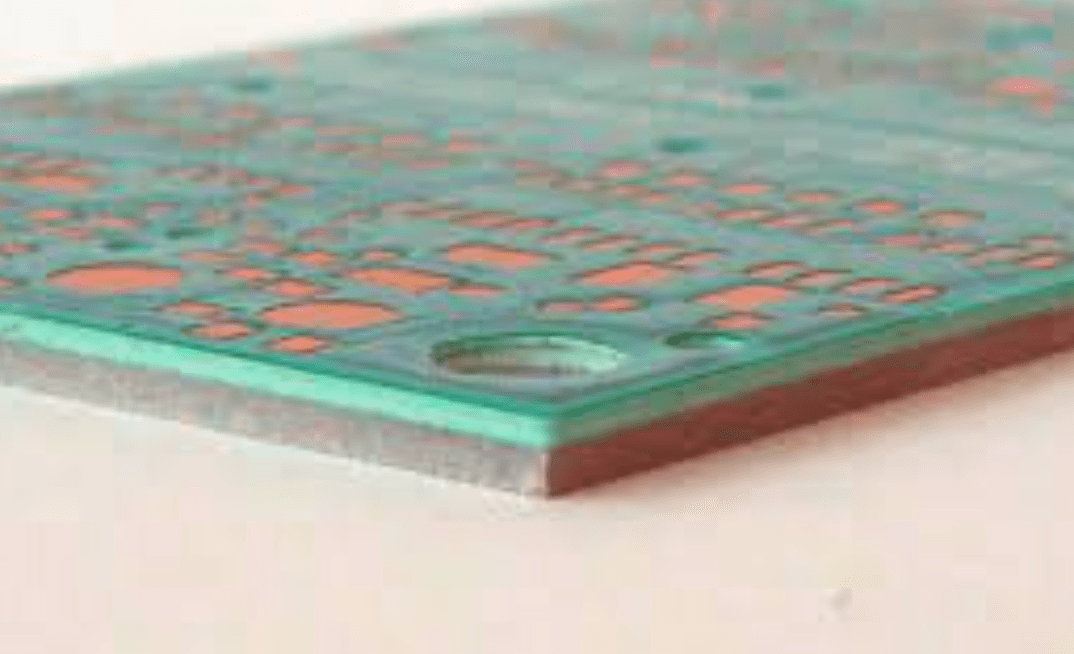
IMS stands for Insulated Metal Substrate. In simple terms, an IMS PCB is a type of board used in electronics that has a metal base, usually made of aluminum or copper. This metal helps manage heat, which is crucial for devices to work well. On top of this metal is an insulating layer, which keeps electricity in its place. Finally, there’s a conductive layer where the actual circuits are.
The main parts of an IMS PCB are:
Metal Base: Usually made of aluminum or copper. It’s like the foundation of a building.
Insulating Layer: This layer keeps the electricity where it should be.
Conductive Layer: This is where the magic happens. It’s where the circuits are that make our devices work.
IMS PCBs present a multitude of benefits that position them as a superior alternative to traditional FR4 PCBs, especially in scenarios that prioritize high performance, safety, and cost-effectiveness. Here’s a detailed examination of the advantages of IMS PCBs over FR4 boards:
Enhanced Thermal Conductivity: IMS PCBs are renowned for their superior thermal conductivity, which can range from 1-12 W/(m.K). This property ensures efficient heat dissipation, allowing devices to function optimally even under demanding conditions.
Structural Support: The metal core in IMS PCBs can vary in thickness from 0.4mm to 3.2mm. This not only facilitates heat management but also provides substantial structural support. In certain applications, this thick metal substrate can even serve as the main structural component, a clear advantage over FR4 PCBs.
Compact Design: Due to the high thermal conductivity of IMS PCBs, heat-dissipating components can be packed more densely. This leads to a more streamlined and efficient design compared to standard PCBs.
Fire Resistance: IMS PCBs, with their metal substrate, inherently possess a higher resistance to fire than the FR4 material found in traditional PCBs. This makes them a preferred choice for high-power applications or environments prone to elevated temperatures or potential flammability.
Electromagnetic Shielding: The metal substrate in IMS PCBs serves a dual purpose, acting as an electromagnetic shield. This protects the circuit from potential external interferences. Furthermore, this substrate can be utilized as an active ground plane, which can lead to cost savings by reducing the copper traces required.
Cost-Efficiency: Leveraging the metal substrate as a ground plane can result in manufacturing cost reductions, given the decreased need for copper.
SMD Compatibility: IMS PCBs are especially compatible with surface-mount devices (SMD). Their ability to absorb and swiftly distribute heat from SMD components ensures both efficient performance and extended component lifespan.
Selecting the right materials is crucial when designing an IMS PCB. The choice of materials can significantly influence the board’s performance, durability, and heat management capabilities. Here are some recommended materials for IMS PCBs:
Aluminum is the most commonly used metal substrate for IMS PCBs. It’s popular because of its excellent heat dissipation properties. Additionally, aluminum is lightweight, making it suitable for applications where weight is a concern.
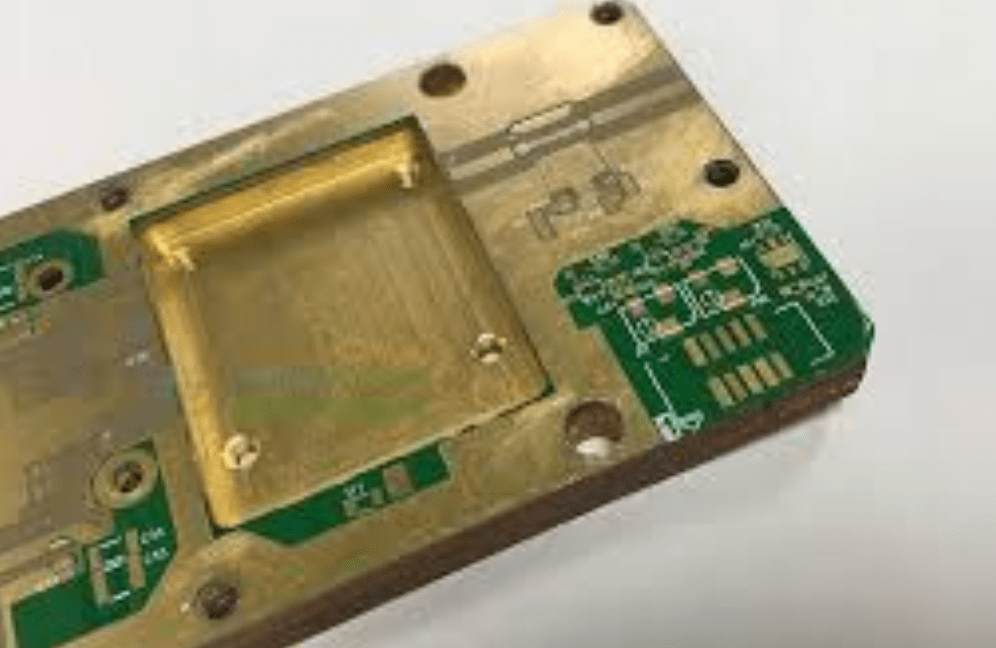
While aluminum is more common, copper can also be used as a substrate in IMS PCBs. Copper has even better thermal conductivity than aluminum, ensuring superior heat management. However, it’s heavier and can be more expensive, so it’s chosen for specific applications where these factors are not constraints.
Positioned between the metal base and the circuit layer, this layer plays a pivotal role in ensuring effective heat transfer. Materials like ceramic-filled epoxies or polyimide are often used for this purpose due to their excellent thermal properties.
This is where the actual circuitry resides. Typically, copper is used for this layer because of its excellent electrical conductivity. The thickness of this layer can vary based on the application’s requirements.
Designing an IMS PCB requires careful thought and planning. Given its unique structure and the critical role it plays in heat management, certain considerations are paramount to ensure optimal performance. Here are some key factors to keep in mind:
Thermal Management: One of the primary reasons for using IMS PCBs is their superior heat dissipation capabilities. It’s essential to design the board in a way that maximizes this benefit. This includes selecting the right substrate material and ensuring that heat-generating components are strategically placed.
Layer Thickness: The thickness of each layer in an IMS PCB can influence its performance. For instance, a thicker metal substrate can offer better heat dissipation but might add to the board’s weight. Balancing these factors is crucial.
Electrical Isolation: While IMS PCBs are excellent at conducting heat, they must also ensure electrical isolation between layers. The insulating layer plays a vital role here, and its quality and thickness should be chosen with care.
Durability: Given that IMS PCBs are often used in demanding applications, they need to be robust and durable. This means selecting materials that can withstand external stresses, such as temperature fluctuations or physical impact.
IMS PCBs, with their unique features, have found their way into a variety of applications across different industries. Their ability to efficiently manage heat and provide structural strength makes them a preferred choice for many high-demand scenarios.
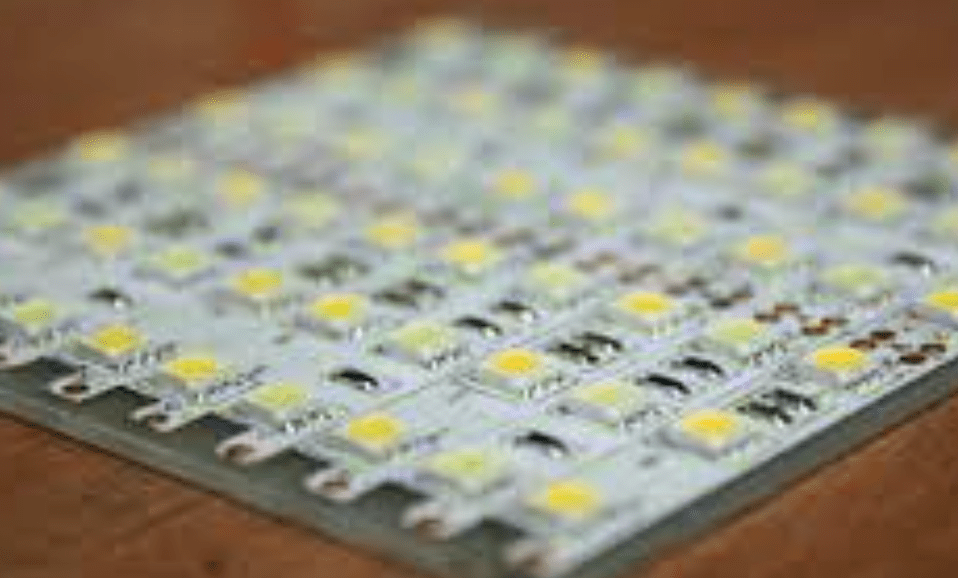
One of the primary applications of IMS PCBs is in LED lighting systems. These boards ensure that the heat generated by LEDs is effectively dissipated, prolonging the lifespan of the lights and ensuring consistent brightness.
Modern vehicles rely heavily on electronics for various functions, from engine management to entertainment systems. IMS PCBs are used in these applications due to their durability and ability to handle high temperatures, ensuring reliable performance even under challenging conditions.
Devices that convert power, such as inverters or rectifiers, generate significant heat. IMS PCBs, with their superior thermal conductivity, are ideal for these applications, ensuring that the devices remain cool and function efficiently.
High-end audio systems, amplifiers, and mixers often use IMS PCBs. These boards ensure that the equipment delivers clear sound by minimizing heat-related distortions.
In factories and industrial setups, machinery controls need to be reliable and durable. IMS PCBs, with their robust construction and heat management capabilities, are often the go-to choice for such critical applications.
IMS PCBs have revolutionized the electronics industry with their superior heat management and robust design. As technology continues to advance, the demand for these high-performance boards is set to rise. For businesses aiming for excellence, investing in quality IMS PCBs is not just beneficial—it’s essential.
If you’re looking for top-tier IMS PCBs tailored to your needs, look no further. As a professional PCB supplier, we pride ourselves on delivering unparalleled quality and precision. Partner with us and elevate your electronics projects to new heights. Reach out today and experience the best in PCB solutions.