Choosing a PCB solder mask color involves much more than visual aesthetics. The color directly affects automated optical inspection, thermal absorption, and manufacturing tolerances.
From standard green to options like high reflectivity white or custom Sakura Pink PCBs, selecting the right mask ensures optimal circuit functionality. Understanding how these pigments interact with fabrication processes is key to balancing visual clarity with production yield.

The solder mask forms an insulating layer over copper traces to prevent solder bridging, oxidation, and physical wear. Pigment choices influence key functional board properties:
Optical Inspection: High-contrast combinations facilitate Automated Optical Inspection (AOI) and manual circuit verification.
Thermal Absorption: Darker pigments absorb heat faster during UV curing, while white surfaces reflect thermal energy.
Curing Parameters: Pigment density impacts UV exposure depth and sets baseline limits for solder bridge spacing.
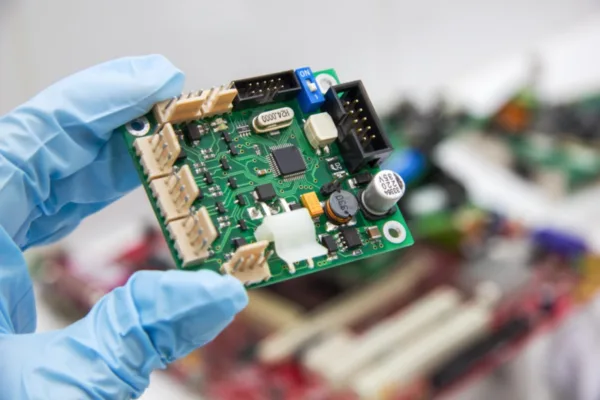
Green is the industry standard due to its superior UV curing properties. It offers maximum trace visibility, high contrast with white text, minimal visual fatigue during manual inspection, and the lowest production cost.
Red masks offer high contrast for silkscreen and clear trace visibility, making them popular in consumer electronics and prototypes. Blue masks provide excellent visual clarity and reliable dielectric consistency for high frequency RF circuits.
Black masks deliver a clean appearance for high end hardware and optics, though concealed traces make manual inspection difficult. White masks maximize light reflectivity for LED lighting applications, requiring careful thermal control to prevent reflow discoloration.
Specialty colors like yellow, purple, and custom Sakura Pink assist in corporate branding and prototype identification. Manufacturers like VictoryPCB support full LPI solder mask customization across both glossy and matte finishes.
Fabrication tolerances vary based on solder resistant pigments. Density variations in ink pigments require specific adjustments during manufacturing:
| Color Option | Trace Visibility | Silkscreen Contrast | AOI Friendliness | Primary Application | Min Solder Web |
| Green (Glossy/Matte) | Excellent | Superior (White) | Highest | General Purpose, Multi-layer PCBs | 4 mil (0.10 mm) |
| Red | Good | Very High (White) | High | IoT, Consumer Electronics, Prototypes | 4.5–5 mil |
| Blue | Moderate | Superior (White) | High | RF Circuits, Telecom, Power Supplies | 4.5–5 mil |
| Black (Glossy/Matte) | Poor | High (White) | Moderate | High-End Audio, LCD Modules, Automotive | 5 mil (0.125 mm) |
| White | Poor | High (Black) | Moderate | LED Lighting, Optical Modules | 5 mil (0.125 mm) |
| Sakura Pink / Special | Moderate | High (White/Black) | Good | Custom Branding, Consumer Products | 5 mil (0.125 mm) |
For standard DC and digital circuits, solder mask color has no measurable impact on electrical operation. For ultra high frequency RF designs, specific pigment dielectric parameters should be verified.
Green LPI ink is manufactured globally in huge quantities and reacts efficiently to UV light. Continuous line setups for green oil eliminate extra setup time and line cleaning costs.
Glossy finishes offer a harder surface with slightly better chemical resistance. Matte finishes eliminate glare, facilitating automated camera positioning and manual solder joint inspection during SMT assembly.
Selecting the ideal solder mask color requires balancing visual clarity, thermal performance, branding goals, and manufacturing constraints. Whether you need standard green, reflective white for optical modules, or specialized custom colors, aligning your design with proper DFM rules ensures smooth prototyping and reliable volume production. If you are ready to start your next project, feel free to contact VictoryPCB to get an instant quote or consult with our engineering team.